


Painting work in Almaty
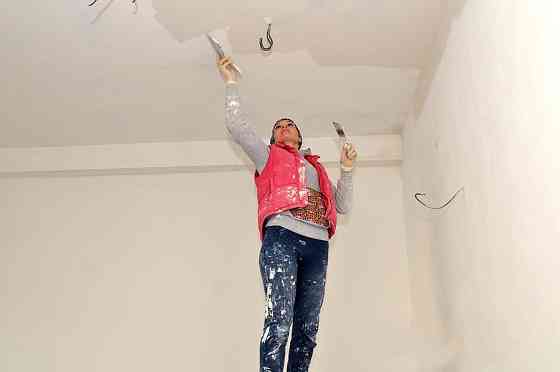 12
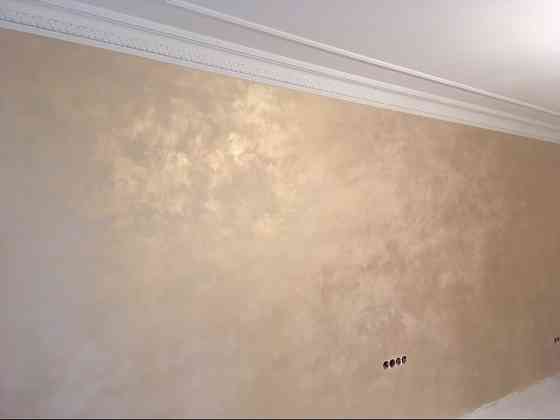
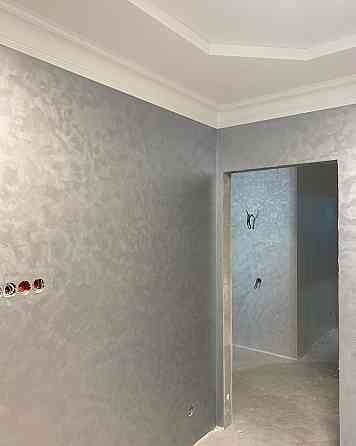
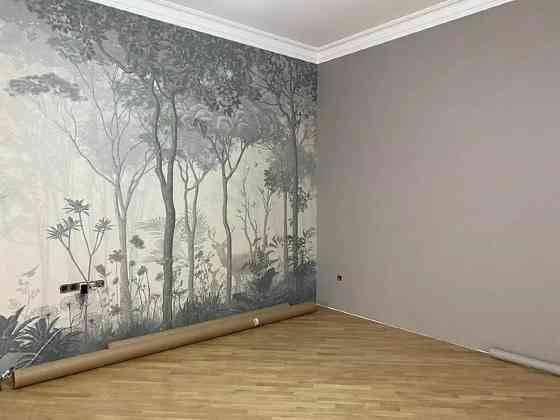
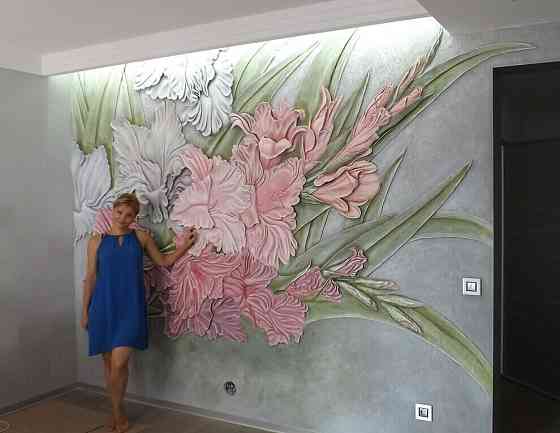
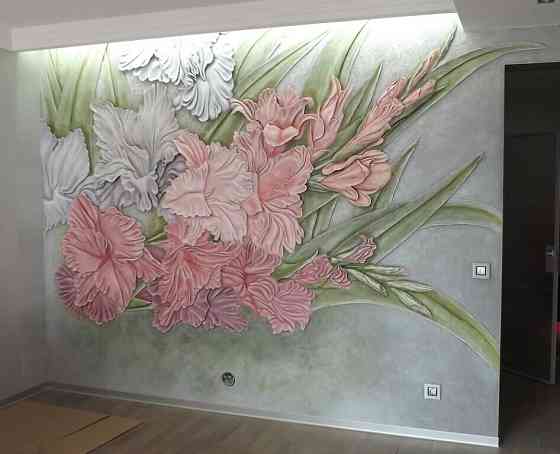
Apartment renovation. Major. Cosmetic. Turnkey renovation. We have been professionally engaged in...
October 18

Polymer powder painting
Almaty
Painting with polymer powder paint is a method of obtaining a highly protective polymer coating...
October 18

Urgently need 1 assistant for a daily repayment of 8000 tenge. ZhK Yrysty painting works. Contact...
October 18
 6

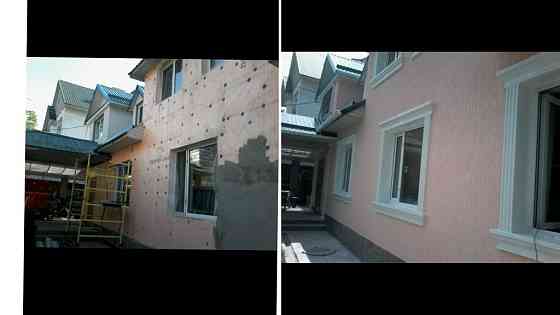
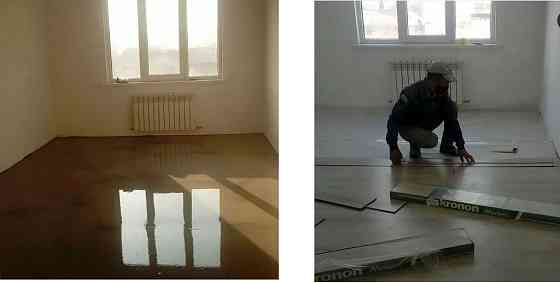


Seaming emulsion-200tg, Accurately quickly and efficiently! Levkas from 500tg, rough finishing,...
October 18
 8

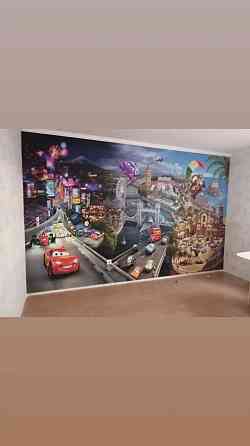
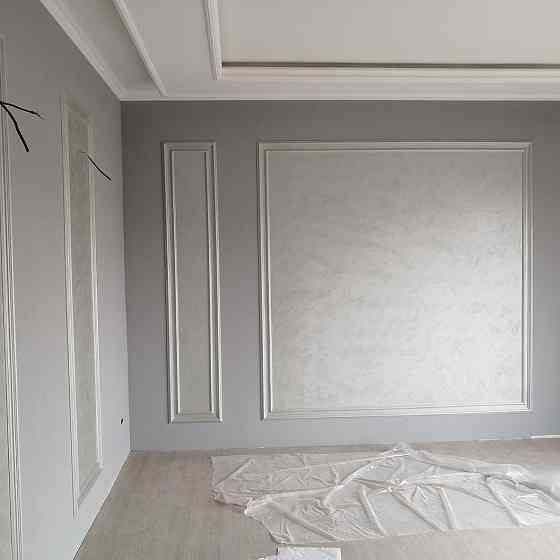


Hello, I am a painter with 15 years of experience high-quality painting of walls, ceilings...
October 18

Rolling emulsion
Almaty
We make high-quality seaming of an emulsion. Whitewashing walls and ceilings. We paint any...
October 18
Sunset., whitewash
Almaty
We make seaming with an emulsion of walls and ceilings. We work efficiently, cleanly and neatly.
October 18
We do high-quality wall and ceiling seaming. Crosat and comfort guaranteed. Call to make an...
October 18
 5


molar work in large volumes.
Almaty
molar work quickly with high quality and large volumes. hardware application. lefkas skin emulsion
October 18
 8


We will make fire protection of metal structures with fire retardant paints from trusted...
October 18
 8


Some facts about us: Team of painters Paint Expert On the market for more than 5 years More than...
October 18
 8


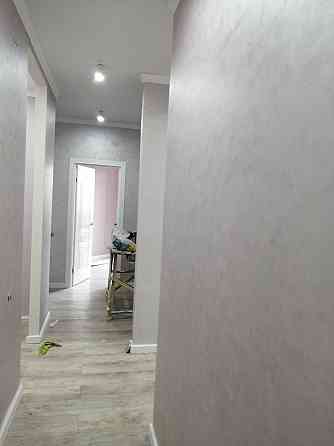
Decor plaster silk
Almaty
Decorative plaster all kinds of decorative coatings Silk coatings Leonardo the Venetian Artkbiton
October 18
 3


Repair of apartments, houses, offices, cosmetic repairs, major repairs, we work on a turnkey...
October 18
 3


Painting. - Painting of walls, ceilings and floors. - Painting of roofs, - Painting of fences. -...
October 18
 8


Polymer powder coating
Almaty
Metal painting of products of all complexity. Large selection of colors. Furnace length 6 meters,...
October 18
 7


We present services for painting walls, whitewashing (inside, outside), gates, facades, roofs,...
October 18
 8


We present services for painting walls, whitewashing (inside, outside), gates, facades, roofs,...
October 18
 8


Выпoлним покpacку любых поверхноcтей aппаpaтoм безвoздушнoго рacпылeния , запесь на весну от 350т...
October 18
 8


We present services for painting walls, whitewashing (inside, outside), gates, facades, roofs,...
October 18
 8


We present services for painting walls, whitewashing (inside, outside), gates, facades, roofs,...
October 18
Real estateTransportChildren's WorldElectronicsAnimalsServicesPersonal belongingsHome and GardenBusinessWorkHobbies, leisure, and sportsMutual aid
Car servicesSecurity / detective / investigationHousehold servicesConstruction / repairTransportation / Vehicle RentalBeauty / HealthEducationAnimal servicesEntertainment / Photo / VideoTourism / immigrationTranslation / typing servicesMaintenance, repair of equipmentSportLegal servicesRental of goodsCleaningOther servicesIT, marketingOther construction services
Design / ArchitectureHousehold repair / cleaningFinished constructionsDrywall workRoofing workFloor worksLandscaping workInstallation worksFinishing worksConstruction of houses and cottagesConstruction servicesVentilation / Air ConditioningWindows / doors / balconiesBathroom renovationApartment renovationAssembly and repair of furniturePlumbing servicesElectrician servicesWelder servicesTile installationPainting worksCarpentry workCustom furniture manufacturing
Professional painting work {region.in }: perfect color and smooth walls without unnecessary nerves
Repairs are often compared to a natural disaster, and the finishing stage is like jewelry work, where the slightest mistake will bother the eyes for years. Agree, no one wants to see roller stripes, streaks, or paint peeling off along with the primer on a freshly painted wall in the living room. That is why finding an intelligent master is the number one task.
If you are on this page, it means that the rough finishing is already behind you (or you are planning to refresh the interior), and you need reliable hands. The good news is that our database already has 278 listings found. These are real ads from specialists of various profiles and budgets. Let's look at how to choose your master, what makes up the price and what to pay attention to before starting work.
Why should you entrust painting work to a professional rather than doing it yourself?
At first glance, it seems that painting a wall is a piece of cake. I bought a roller, opened a jar, rolled out the paint, and that's it. YouTube is full of videos where bloggers transform apartments over the weekend. But the reality is harsher.
Painting is 80% preparation and only 20% self—coloring. Under-dried putty, improperly selected soil, dust on the surface or a draft in the room lead to disaster. The paint may form spots (the so-called "apple"), crack, or begin to peel. A professional painter feels the material. He knows how acrylic behaves on the sunny side, why latex paint should not be over-dried, and what kind of pile the roller needs for perfect matte finish.
👥 Painting and finishing services from organizations and individuals {region.in }
Different formats of cooperation are presented on our portal. Each customer has their own priorities: for some, the minimum price is important, for others, the official contract and cashless payment are important. The catalog contains painting and finishing services from organizations and individuals {region.in }. Who should I choose?
Private craftsmen (teams and individuals)
Positive:
- Flexibility in pricing. You can always bargain with a private contractor, especially if the amount of work is large.
- Direct communication. You discuss all the details directly with the person who will hold the roller, and not with the manager in the office.
- Speed. Private traders are often ready to start work "tomorrow".
Minuses:
- Agreements are often based on a word of honor (although we strongly recommend entering into a contract, even with individuals).
Construction and repair companies
Positive:
- Legal security. An official contract, an estimate, and clear warranty obligations.
- Quality control. In a normal company, a foreman oversees the work of the painters.
- An integrated approach. Organizations can purchase and bring their own materials with discounts from partners.
Minuses:
- The cost of services is usually 15-30% higher due to overhead costs (office, taxes, foreman's salary).
No matter who you like, always read the reviews, see the portfolio and do not hesitate to ask questions about the technology of the work.
What are the prices for painting work ? {region.in }?
The budget is the most painful issue of any repair. Absolutely all users who visit this section are interested in relevant prices for painting work {region.in }. It is important to understand that the price in the ad "from X tenge per square meter" is a guideline. The final estimate is formed only after the inspection of the object.
The main factors influencing the final receipt:
- The condition of the foundation. If you have bare concrete or brick, then the painting will be preceded by a long cycle: plaster, installation of lighthouses, reinforcement with mesh, base putty, finishing putty (for fiberglass or non-woven fabric), and only then the primer and paint. If the walls have already been plastered "for painting" by the previous team, the price will be minimal.
- The area and geometry of the room. It is easier and cheaper to paint a flat hall with an area of 30 squares (in terms of 1 square meter) than a narrow corridor with many doorways, niches, arches and external corners.
- Ceiling height. Work at heights above 3 meters requires scaffolding or tour towers, which automatically increases the cost of services due to the complexity and risk factor.
- The number of colors on one plane. Design solutions with geometric shapes, color-blocking or color chipping (when the ceiling cornice is painted in a different color with a strict straight line) require painstaking work with masking tape. This makes the process more expensive.
- The method of application. Traditional hand roller painting is cheaper. Mechanized airless painting (with high-pressure devices such as Graco or Wagner) may cost more due to equipment depreciation, but it gives perfect factory quality without shagging.
Expert advice: Always ask the master to describe the estimate in detail. The wording "painting a room — 50,000" is bad. The correct estimate looks like this: priming (2 layers) — X tenge, installation of fiberglass — Y tenge, finishing paste — Z tenge, painting in 2 layers — N tenge.
, Painting of any complexity - all offers NATUMBE.KZ
A paint job is not just about white ceilings and beige walls in a bedroom. Modern materials allow you to create real masterpieces, and for each task you need your own narrow-profile specialist. Whether it's refreshing an old cottage or a sophisticated interior design in a new building, it's available here. painting of any complexity - all offers NATUMBE.KZ conveniently sorted by category.
What is most often ordered through our platform?
1. Interior painting (apartments, offices, houses)
Classics of the genre. It includes work with water-based, acrylic, latex and silicone paints. The modern trend is deep—matt coatings, which visually hide the small irregularities of the walls and look very noble. Ceiling painting is also popular: from standard plasterboard structures to loft-style open communications (when all pipes and ventilation are blown out with black or graphite spray paint).
2. Decorative plaster and textured paint
For those who are bored of living with smooth walls. Craftsmen create textures for silk, wet sand, concrete, marble (Venetian plaster) or travertine. It requires artistic taste and a well-stocked hand. The decorative feature is that it is vandal-proof: it is difficult to scratch, it is easy to clean and is great for corridors and kitchens.
3. Facade work
The conditions outside the building are extreme: temperature fluctuations, UV rays, and rain. Facade painters work with scaffolding or industrial climbing techniques. Special acrylic and siloxane compounds are used here, which "breathe" but at the same time repel water.
4. Painting of wooden houses and log cabins
Wood is a living material. It must be properly sanded, treated with antiseptics, coated with lessening glazes or covering oils (for example, Osmo or Tikkurila). Woodworkers know how to avoid raising lint and how to protect wood from rotting and turning blue.
5. Industrial and commercial painting
Painting warehouses, parking lots, metal structures, fences, roofs. Here, speed comes first. Usually, such volumes are covered by crews with airless spray devices, which can paint up to 500-800 square meters per shift.
How does the correct painting cycle work? Stages of work
So that you can control the process at your facility and speak with the craftsmen in the same language, we will briefly describe what the right technology for painting in a new building should look like.:
- Dedusting and priming. The plaster is abundantly primed with a deep penetration primer.
- Basic putty. Planes are removed, small shells are sealed.
- Grinding (scalding).
- Glass canvas sticker. This is a mandatory stage for new buildings. Glass wool ("cobweb") reinforces the wall and protects future paint from microcracks during shrinkage of the house.
- Finishing putty (with ready-made pastes). Glass wool is clogged with putty "for stripping" in at least two layers.
- Final polishing under the side light (developing lamp). The painter's lamp reveals the slightest bumps and scratches.
- Dedusting and finishing priming.
- Painting in 2-3 layers.
If the master says that glass wool is not needed, but he does not use a lamp, because "he has a diamond eye," this is a reason to be wary and look for another specialist on our bulletin board.
Top 5 tips on how to choose a paint and not regret it
Even the most ingenious painter will not save a bad paint. The choice of materials often falls on the shoulders of the customer. Here are some basic rules:
- For the kitchen and hallway take a paint with a high wear resistance class (washing class 1 according to DIN EN 13300 standard). It can withstand washing with household chemicals. Latex paints are great.
- For the bedroom and nursery Environmental friendliness is a priority. Look for cans labeled M1 (minimum emission of volatile substances) or "Blue Angel". Absolutely matte acrylic-based water-based emulsions are ideal here.
- For wet areas (bathroom) We need specialized moisture—resistant paints containing fungicide additives against mold and mildew.
- Don't skimp on the tool. If the master asks you to buy a roller for 5,000 tenge, and not for 500— buy it. Microfiber or velour from a cheap roller will leave lint on the wall, which will spoil the whole look.
- Test the color(s). The color on your phone screen, on the fan in the store, and on your wall are three different colors. Lighting solves everything. Buy 3-4 small jars with probes, paint the pieces of drywall and attach them to the walls at different times of the day.
Frequently Asked Questions (FAQ) from our users
We analyzed what people ask most often before hiring painters, and prepared short answers.
Do I need to move out of my apartment while painting? If repairs are being done in the entire apartment, it is better to move out. The process of sanding the putty creates fine dust, from which no film can save. If only one room is painted with a refreshing layer (without putty) with modern acrylic paints (they do not smell), you can stay at home.
How long does the paint dry and when can the furniture be brought in? A modern water-based emulsion dries for 1-2 hours. The second layer can be applied after 4-6 hours. However, the complete polymerization (strength gain) of the layer takes up to 21-28 days. In the first month, it is better not to rub the walls with rags and not to lean furniture against them closely.
Who should buy film, tape, and rollers? Painting tools (spatulas, brushes, trays, spray guns) are the master's inventory. But consumables (rollers, tape, covering film, protective corners) are usually paid for by the customer along with the main material. Always check this point on the shore.
Do painters give a guarantee for their work? Professionals, yes. The warranty is usually from 1 to 3 years. But it is important to understand that if a crack has appeared on the wall due to the fact that the load-bearing block of the house has burst, or if your neighbors have flooded you, this is not a warranty case. Peeling paint due to a poor primer is the fault of the painter.
Start your perfect renovation right now!
Repairs should not be stressful. The secret of peace of mind lies in choosing the right performer. Take your time, study the ads, contact several craftsmen, invite them to take measurements (usually this is a free service). Evaluate not only their price list, but also how punctually they arrived, what questions they asked at the facility, and how transparently they made the estimate.
Use the filters on the website and read the reviews of previous clients. Your ideal master is already waiting for your application. Comfort to your home and exceptionally smooth walls!